Complete Guide to Airway Clearance in Acute & Critical Care

Introduction
Breathing appears effortless in healthy individuals, yet in acute and critical illness it often becomes one of the most complex physiological processes to manage. One of the most under-recognized contributors to respiratory deterioration in hospitalized patients is ineffective airway clearance. When secretions accumulate and cannot be cleared adequately, they compromise gas exchange, increase the work of breathing, and create an environment for infection. In intensive care units (ICUs), post-operative wards, and high-dependency units, inadequate airway clearance is closely linked with complications such as atelectasis, ventilator-associated pneumonia (VAP), prolonged mechanical ventilation, and extended hospital stay.
Airway clearance is therefore not a supportive add-on but a foundational component of respiratory care. This guide provides a comprehensive, clinically grounded yet accessible overview of airway clearance: why it matters, how it works, when it is required, and how high-frequency chest wall oscillation (HFCWO) systems are redefining best practice in modern critical care. While clinical terminology is used where appropriate, the explanations are designed to remain understandable for non-clinical stakeholders as well.
Understanding the Airway and Mucus Physiology
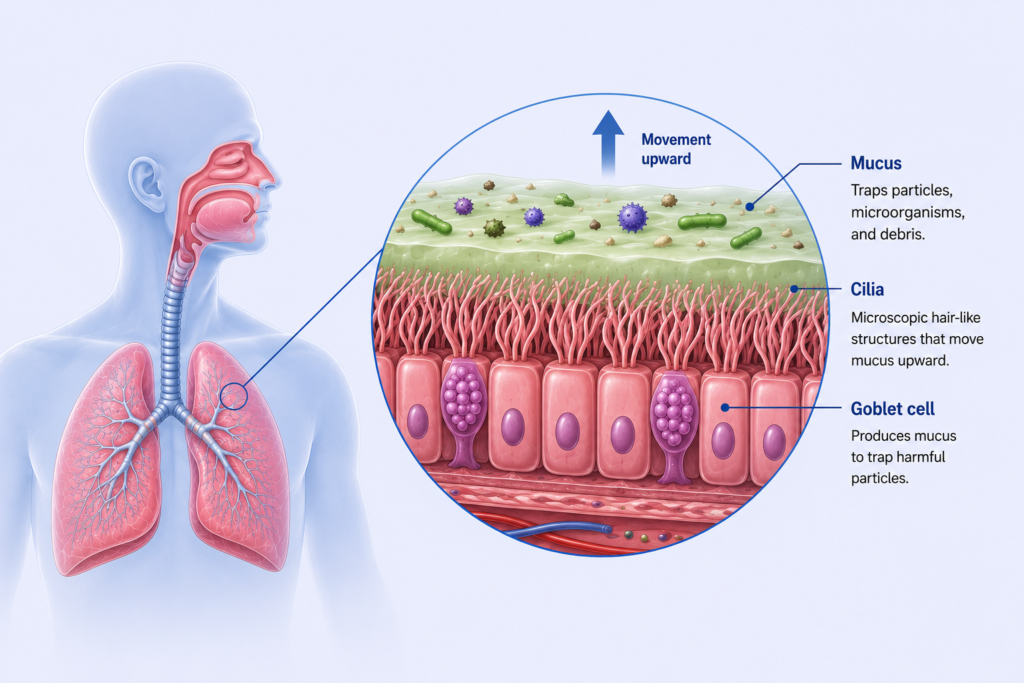
The human respiratory tract is lined with a delicate defense system designed to trap and remove inhaled particles, microorganisms, and debris. Mucus, produced by goblet cells and submucosal glands, plays a central role in this defense. Under normal conditions, mucus is thin, hydrated, and continuously transported upward by microscopic hair-like structures called cilia, a process known as mucociliary clearance.
In health, this system functions silently. In illness, however, several factors disrupt this balance:
- Increased mucus production due to inflammation or infection
- Thickening of secretions caused by dehydration or altered protein composition
- Reduced ciliary function due to hypoxia, infection, or mechanical ventilation
- Impaired cough due to sedation, neuromuscular weakness, or pain
When mucus is no longer cleared effectively, it accumulates within the airways, obstructs airflow, and
interferes with oxygen delivery to the lungs.
What Is Airway Clearance?
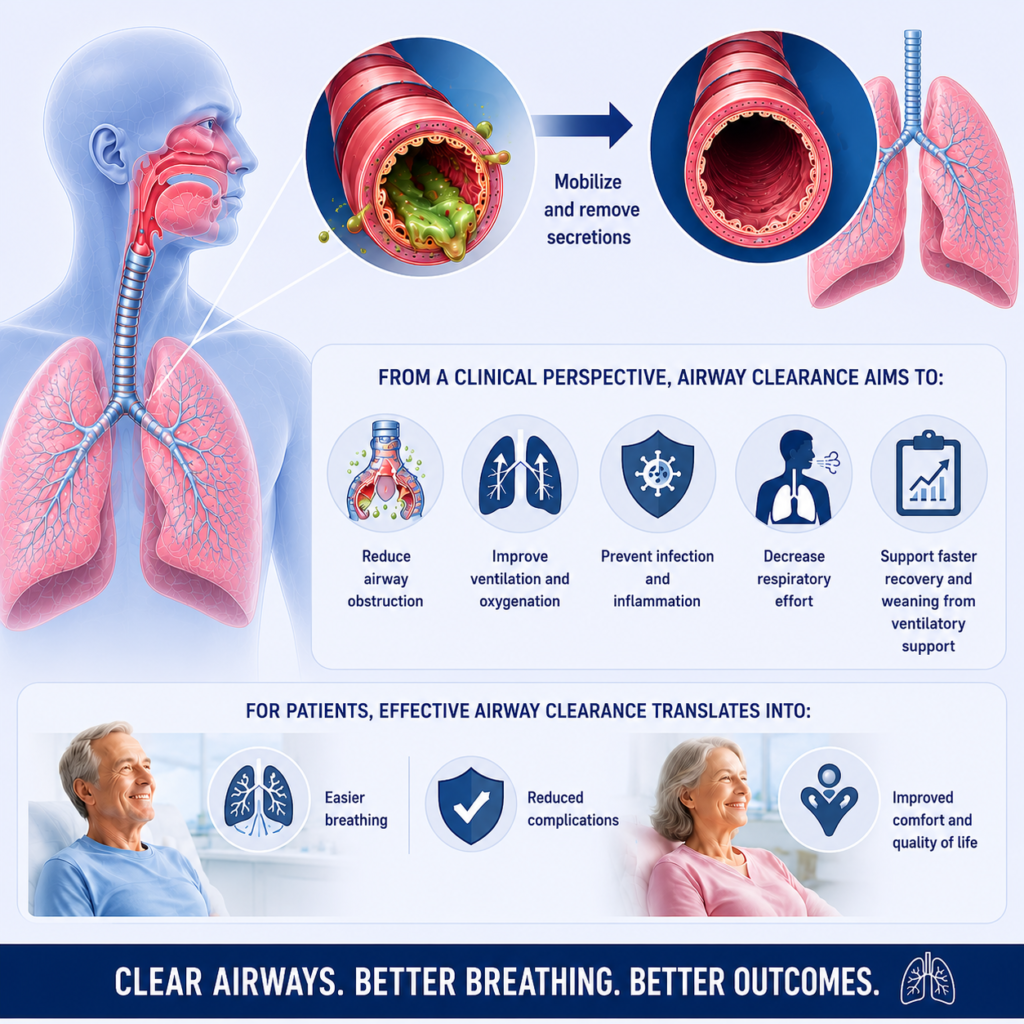
Airway clearance refers to a group of techniques and therapies designed to mobilize and remove
respiratory secretions from the airways. The goal is simple but critical: keep the airways open, clean, and functional.
From a clinical perspective, airway clearance aims to:
- Reduce airway obstruction
- Improve ventilation and oxygenation
- Prevent infection and inflammation
- Decrease respiratory effort
- Support faster recovery and weaning from ventilatory support
For patients, effective airway clearance translates into easier breathing, reduced complications, and improved comfort.
Why Airway Clearance Is Critical in Acute and Critical Care
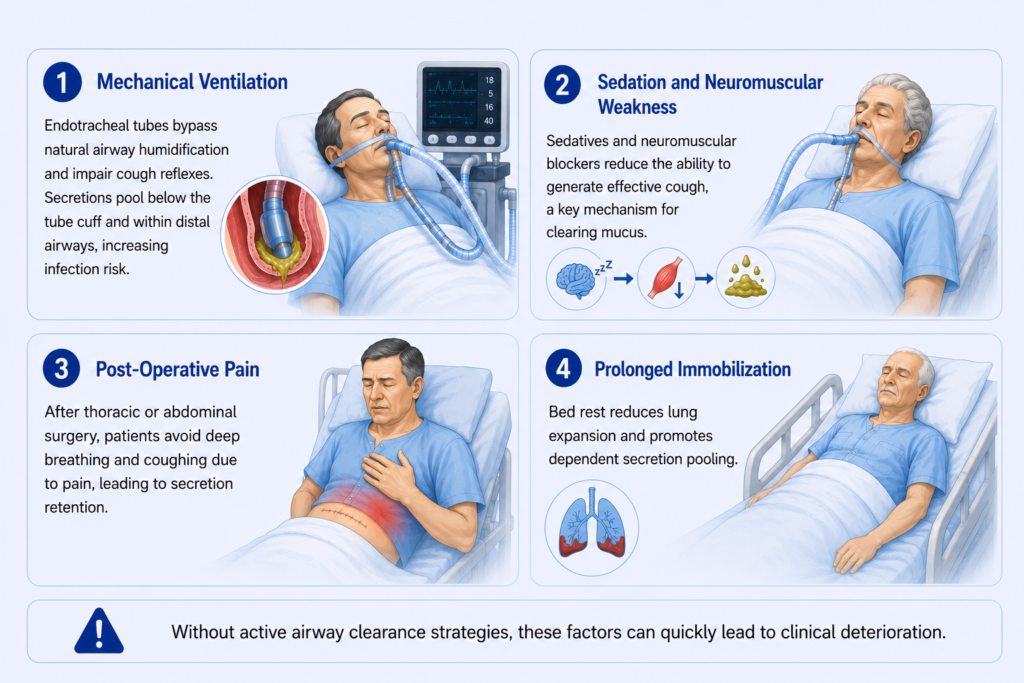
In acute and critical care settings, multiple factors converge to impair natural airway clearance:
1. Mechanical Ventilation
Endotracheal tubes bypass natural airway humidification and impair cough reflexes. Secretions pool below the tube cuff and within distal airways, increasing infection risk.
2. Sedation and Neuromuscular Weakness
Sedatives and neuromuscular blockers reduce the ability to generate effective cough, a key mechanism for clearing mucus.
3. Post-Operative Pain
After thoracic or abdominal surgery, patients avoid deep breathing and coughing due to pain, leading to secretion retention.
4. Prolonged Immobilization
Bed rest reduces lung expansion and promotes dependent secretion pooling.
Without active airway clearance strategies, these factors can quickly lead to clinical deterioration.
Consequences of Inadequate Airway Clearance
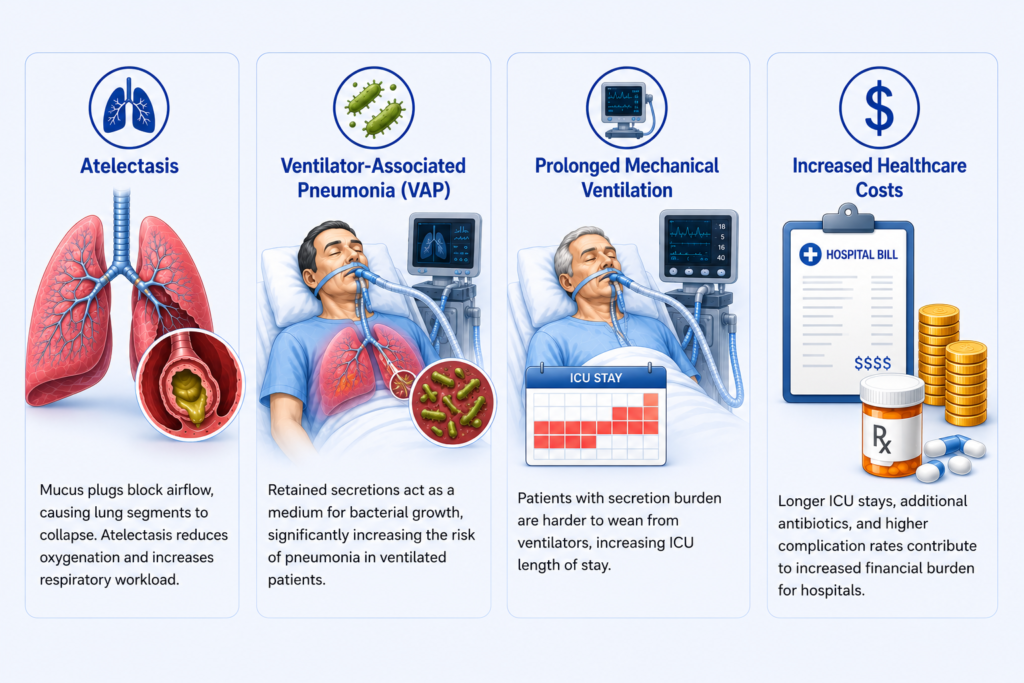
Failure to manage airway secretions has both immediate and long-term consequences:
1. Atelectasis
Mucus plugs block airflow, causing lung segments to collapse. Atelectasis reduces oxygenation and increases respiratory workload.
2. Ventilator-Associated Pneumonia (VAP)
Retained secretions act as a medium for bacterial growth, significantly increasing the risk of pneumonia in ventilated patients.
3. Prolonged Mechanical Ventilation
Patients with secretion burden are harder to wean from ventilators, increasing ICU length of stay.
4. Increased Healthcare Costs
Longer ICU stays, additional antibiotics, and higher complication rates contribute to increased financial burden for hospitals.
Indications for Airway Clearance Therapy
Airway clearance is not limited to a single diagnosis. Common clinical indications include:
- Mechanically ventilated patients
- Post-operative patients (especially thoracic and abdominal surgery)
- Chronic obstructive pulmonary disease (COPD)
- Neuromuscular disorders (e.g., ALS, muscular dystrophy)
- Patients with weak or ineffective cough
- Excessive or thick respiratory secretions
Early identification of these patients is critical for proactive airway management.
Manual Airway Clearance Techniques: Strengths and Limitations
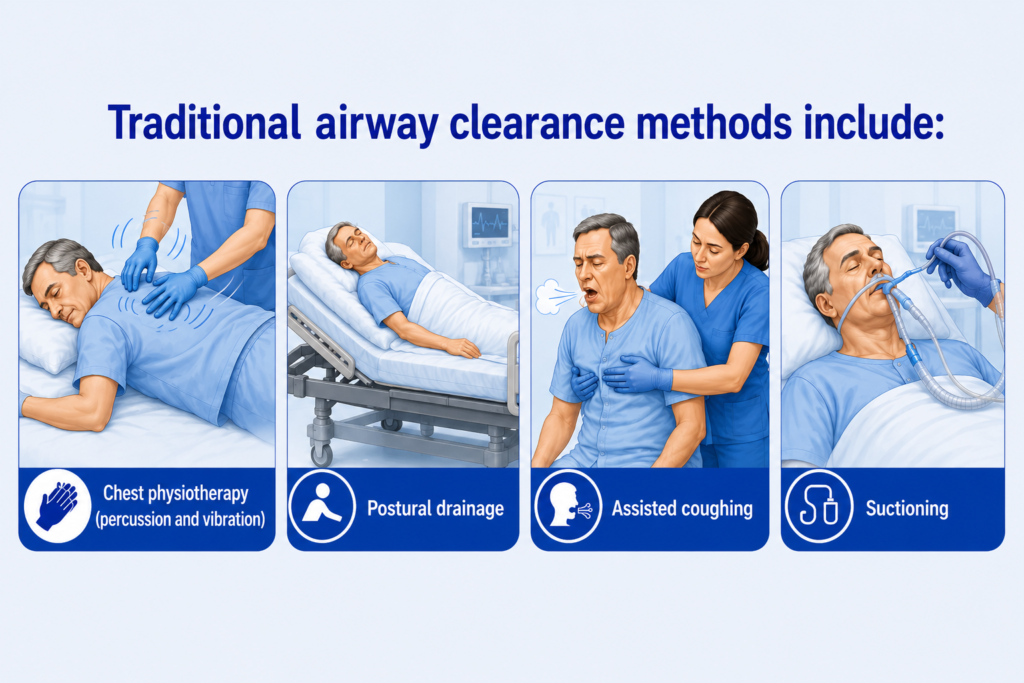
Traditional airway clearance methods include:
- Chest physiotherapy (percussion and vibration)
- Postural drainage
- Assisted coughing
- Suctioning
While these techniques remain valuable, they are highly operator-dependent and inconsistent in critically ill patients. Their effectiveness can vary based on staff skill, patient tolerance, and clinical workload. In sedated or ventilated patients, manual methods often fail to reach deeper lung segments where secretions accumulate.
High-Frequency Chest Wall Oscillation (HFCWO): How It Works
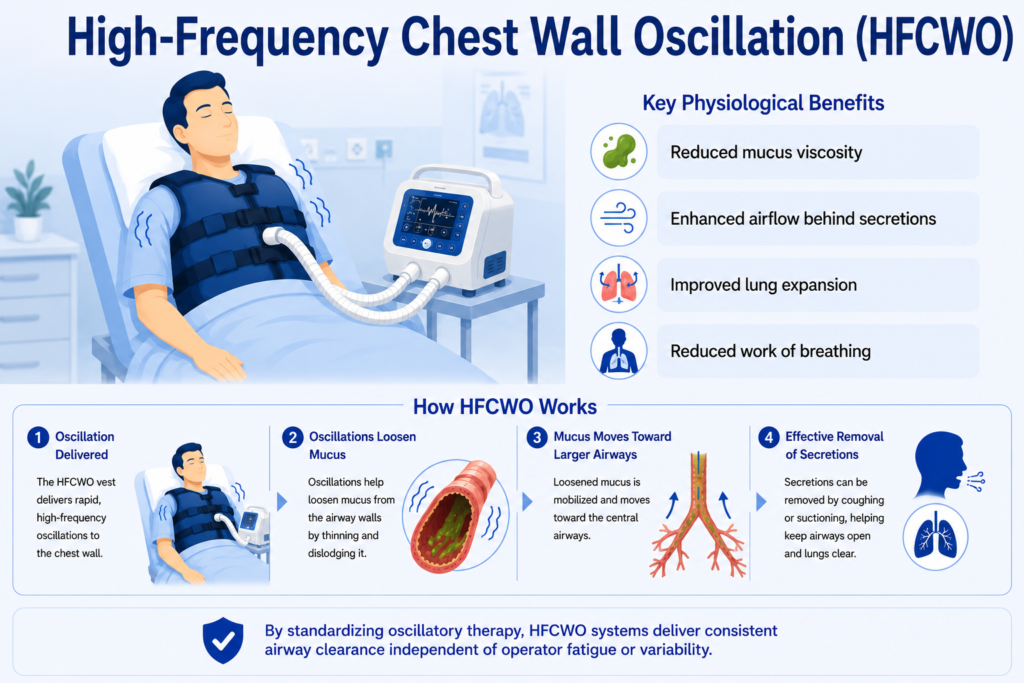
High-frequency chest wall oscillation (HFCWO) systems are designed to standardize and enhance secretion mobilization. These systems deliver rapid, small-volume oscillatory forces to the chest wall, generating airflow changes within the lungs that loosen mucus from airway walls and mobilize it toward the central airways for removal.
Key physiological benefits include:
- Reduced mucus viscosity
- Enhanced airflow behind secretions
- Improved lung expansion
- Reduced work of breathing
By standardizing oscillatory therapy, HFCWO systems deliver consistent airway clearance independent of operator fatigue or variability.
HFCWO vs Manual Airway Clearance: A Practical Comparison
| Aspect | Manual Techniques | Mechanical Systems |
| Consistency | Variable | Standardized |
| Staff Dependence | High | Low |
| Depth of Secretion Mobilization | Limited | Improved |
| Patient Tolerance | Variable | Generally better controlled |
| Scalability in ICU | Limited | High |
This comparison highlights why many modern ICUs are transitioning toward high-frequency chest wall oscillation (HFCWO) as a standard component of respiratory care.
Where the Dexup Airway Clearance System Fits In
The Dexup Airway Clearance System is designed to address the real-world challenges of airway management in acute and critical care environments. It supports clinicians by providing controlled, repeatable airway clearance therapy that integrates seamlessly into ICU workflows.
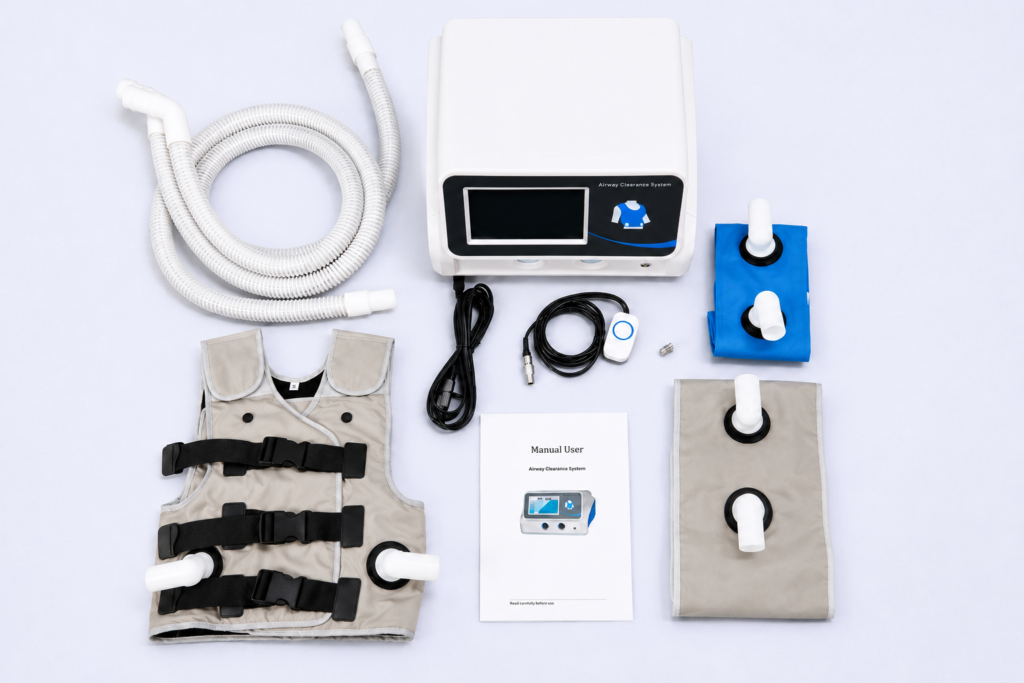
Key design considerations include:
- Ease of use for nursing and respiratory staff
- Patient comfort and safety
- Compatibility with ventilated and non-ventilated patients
- Reliability for continuous clinical use
By focusing on both clinical effectiveness and operational practicality, the system aligns with the needs of modern hospitals.
Role of Airway Clearance in Weaning and Recovery
Effective airway clearance plays a decisive role in recovery and ventilator weaning. Patients with reduced secretion burden demonstrate:
- Improved oxygenation
- Lower respiratory rates
- Reduced need for suctioning
- Higher success rates in spontaneous breathing trials
From a patient perspective, this means faster recovery and reduced ICU exposure. From a hospital perspective, it translates into better bed utilization and outcomes.
Safety and Patient Comfort Considerations
When applied correctly, airway clearance therapy is safe and well tolerated. Mechanical systems are designed with adjustable parameters to suit individual patient needs, minimizing discomfort and hemodynamic impact. Continuous monitoring ensures therapy remains within safe physiological limits.
Airway Clearance as a Standard of Care
As critical care continues to evolve, airway clearance is increasingly recognized as a standard, evidence supported component of respiratory management rather than an optional intervention. Integrating airway clearance into routine protocols supports proactive care, reduces complications, and improves overall outcomes.
Conclusion
Airway clearance is a cornerstone of effective respiratory care in acute and critical settings. Understanding the physiology, recognizing the risks of secretion retention, and applying appropriate clearance strategies can significantly influence patient outcomes. High-frequency chest wall oscillation (HFCWO) systems offer a consistent, scalable, and clinically effective solution to the challenges faced in modern ICUs.
By prioritizing airway hygiene alongside ventilation and oxygenation, healthcare teams can move from reactive complication management to proactive respiratory care.
References and Further Reading
- World Health Organization – Respiratory care and infection prevention resources: https://www.who.int
- American Thoracic Society – Airway clearance and critical care guidelines: https://www.thoracic.org
- European Respiratory Society – Airway management and secretion clearance: https://www.ersnet.org
- Centers for Disease Control and Prevention – Ventilator-associated pneumonia prevention: https://www.cdc.gov
- National Institutes of Health – Pulmonary physiology and mucus clearance: https://pmc.ncbi.nlm.nih.gov/